You Had Me at Woof SVG Cut File Dog Pa
A Designer’s First Look: Charm, Clarity, and Craftsmanship
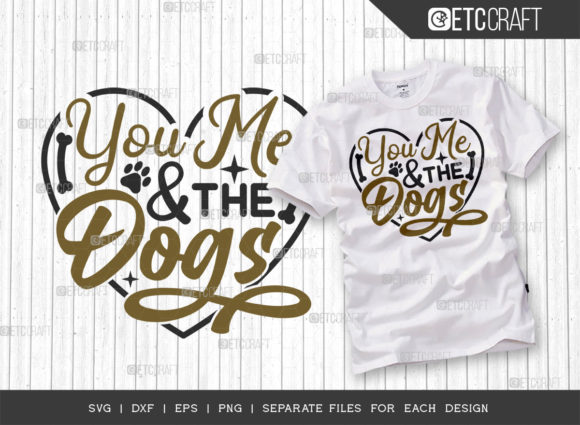
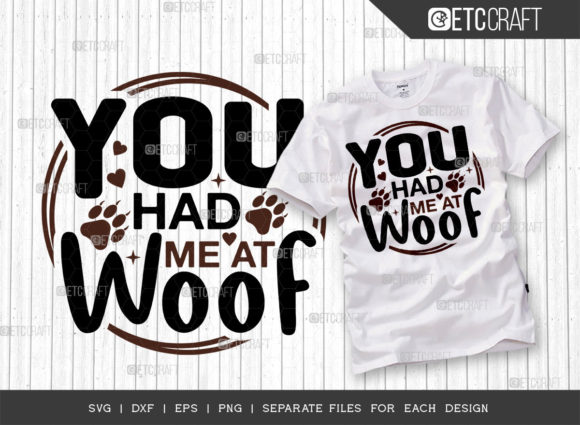
When I opened You Had Me at Woof SVG Cut File Dog Pa, my first thought wasn’t “cute”—it was “usable.” As someone who tests hundreds of embroidery files a year for client work, boutique merchandise, and small-batch handmade goods, I’m trained to spot what survives the stitch—not just what looks sharp on screen. This design lands with warmth and intention: a clean dog paw motif paired with the playful phrase “You Had Me at Woof,” balanced in layout, weighted in line, and scaled for legibility at 3–4 inches—the sweet spot for tote bags, sweatshirt fronts, and baby onesies. It feels like a conversation starter, not background noise.
Real-World Use: From Mockup to Market
Last week, I prepped a custom order for a local pet boutique: embroidered canvas tote bags for their “Dog Mom Day” pop-up. I chose You Had Me at Woof SVG Cut File Dog Pa as the centerpiece—centered on the front panel, sized to 3.75″ wide. Why? Because it stitched cleanly on medium-weight canvas with tear-away + cutaway stabilizer combo, held crisp edges through dense fill stitches in the paw, and kept the script readable without overworking the letterforms. Customers loved it—not just as a dog lover’s nod, but as a well-executed handmade product. That’s the difference between a graphic and an embroidery file that earns repeat orders.
It works equally well on softer substrates: I tested it on a lightweight cotton baby onesie (with light iron-on stabilizer) and a brushed poly-cotton apron. On both, the design retained its personality—no bleeding, no thread nesting, no lost detail in the paw’s negative space. For sweatshirt embroidery, I recommend keeping it under 4″ tall to avoid excessive stitch density in the curved script; the file’s vector foundation makes resizing predictable, but always test before committing to a full run.
Where It Shines—and Where to Pause
You Had Me at Woof SVG Cut File Dog Pa is strongest on stable, medium-to-heavy fabrics: tote bags, tea towels, pillow covers, denim jackets, and structured caps. Its open letterforms and moderate stroke weight translate cleanly into satin stitch outlines and smooth fill areas—ideal for machine embroidery design or applique design workflows. It’s also a natural fit for holiday embroidery (think “Paws & Presents” gift tags) and nursery decor, where warmth and clarity matter more than complexity.
Proceed with care on highly textured fabrics (like terry cloth or bouclé), ultra-thin knits, or stretchy performance blends—these demand tighter digitizing control than this SVG-based embroidery file likely includes. Likewise, avoid placing it on tight curves (e.g., cap brims) without adjusting hoop placement and stitch direction manually. The paw icon has subtle contouring; on dark fabric, confirm your thread colors offer enough contrast—especially in the inner curve of the paw pad. And while the script reads beautifully at 3″+, don’t push it below 2.25″ unless you’ve verified legibility in your test stitching: fine serifs can blur with low-density running stitch or inconsistent tension.
Design Integrity in Action
This isn’t just about prettiness—it’s about perception. When customers see You Had Me at Woof SVG Cut File Dog Pa on a finished product, they read professionalism, care, and brand alignment. A well-stitched version signals quality craftsmanship; a rushed or poorly stabilized version undermines trust—especially for Etsy sellers and craft fair vendors where handmade presentation directly impacts pricing power and buyer engagement. I’ve seen this design elevate simple kitchen towels into bestsellers because it balances sentiment and execution—no overdesign, no visual clutter, just honest, joyful communication.
For commercial embroidery, it supports consistent branding across product lines: pair it with a coordinating paw-only variant for patches, or use the script alone on bandanas. As digital embroidery file assets go, its inclusion of SVG, DXF, EPS, and PNG formats means flexibility—you can prep printable mockups, adapt for Cricut/Silhouette cutting, or import cleanly into Wilcom or Pulse. Just remember: file format ≠ embroidery readiness. Always convert to your machine’s native format and inspect stitch logic before production.
Practical Notes Every Embroiderer Should Run Through
- Test first: Stitch You Had Me at Woof SVG Cut File Dog Pa on scrap fabric matching your final substrate and stabilizer stack.
- Check contrast: View black-and-white mockups to assess readability on light vs. dark backgrounds.
- Confirm hoop size: At standard 3.5″ width, it fits most 4×4 hoops—but verify clearance if adding borders or framing elements.
- Inspect detail: Zoom in on the paw’s inner curves and script terminals—look for potential thread breaks or overlapping vectors.
- Review licensing: Since this is listed as a Graphics product in the T-Shirt Designs category, confirm whether your intended use (e.g., selling embroidered patches or digital resale) aligns with the seller’s terms.
- Stabilize smartly: Medium-weight cutaway for knits, tear-away + light fusible for wovens, and adhesive-backed for layered or slippery fabrics.
Final Thought: A Design That Serves the Maker
You Had Me at Woof SVG Cut File Dog Pa doesn’t shout. It connects. It’s the kind of embroidery file that quietly strengthens your craft business—not by being flashy, but by being reliable, emotionally resonant, and technically sound. Whether you’re stitching personalized gifts, building a boutique product line, or curating digital design assets for other makers, this file earns its place in your library because it delivers on real-world expectations: clarity at scale, warmth in execution, and versatility across fabric, function, and audience. Just stitch it right—and let the dogs (and their people) do the rest.