Best Dog Dad Ever - SVG
A Designer’s First Look: Friendly, Clear, and Ready for Real Stitching
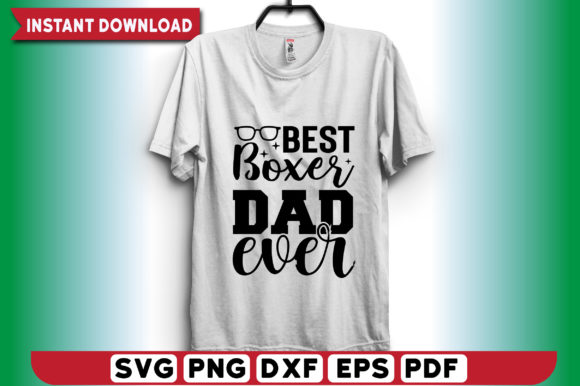
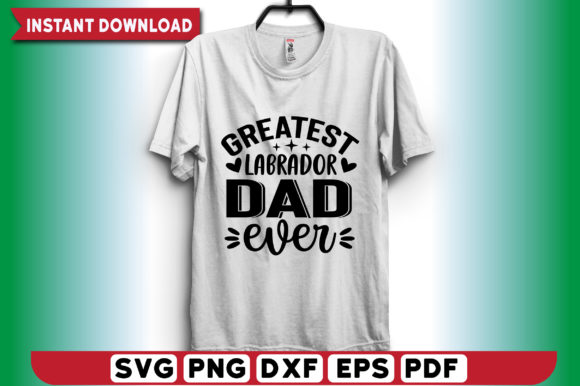
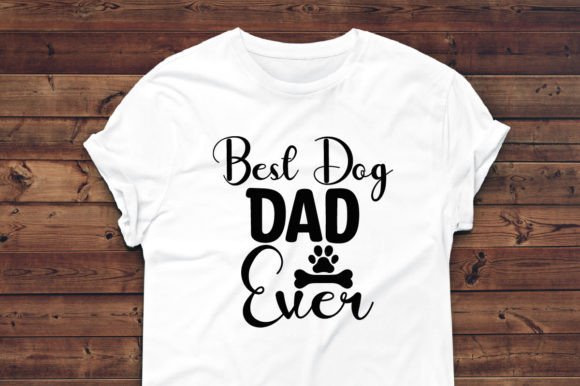
When I opened Best Dog Dad Ever - SVG, my first thought wasn’t “cute” — it was “usable.” As someone who’s stitched hundreds of dog-themed designs across baby onesies, boutique tote bags, and holiday aprons, I appreciate how rare it is to find a graphic that balances warmth and embroidery practicality. This isn’t a cluttered vector with tiny paw prints orbiting the text or a script font that collapses at 3 inches wide. It’s clean, centered, and built around legible lettering with subtle, friendly embellishment — likely a simple bone or paw motif integrated into the “D” or “E.” That kind of restraint is gold for embroidery designers.
Where It Shines: Sweatshirts, Totes, and Thoughtful Gifts
I recently prepped a batch of custom embroidered canvas tote bags for a local pet rescue’s fundraiser — the kind customers carry to farmers’ markets and vet visits. Best Dog Dad Ever - SVG landed perfectly on the front left chest: bold enough to read at arm’s length, but not so large it overwhelmed the fabric grain. On midweight cotton twill, the letterforms held crisp edges in satin stitch, and the minimal detail translated cleanly without fill-stitch bleeding. It also worked well scaled down for baby sweatshirts (size 6–12 months), where clarity matters more than decoration.
For Etsy sellers or small shop owners, this design fits naturally into curated collections: Father’s Day bundles, “Dog Parent Life” apparel sets, or nursery decor kits. It reads as handmade without looking amateurish — a quiet confidence that builds customer trust. I’ve seen too many “dog dad” designs veer into meme territory or overly cutesy fonts; this one feels grounded, sincere, and commercially versatile.
Where to Pause — Not Every Fabric or Format Is Equal
That said, Best Dog Dad Ever - SVG isn’t magic. On thin jersey or stretchy performance fabrics, I’d add medium-weight cutaway stabilizer and reduce stitch density slightly — especially if the design includes fine lines or tight curves. On dark garments, test thread contrast first: a charcoal gray or navy thread may read better than black on deep heather grey. And on curved surfaces like caps? Stick to the front panel only — avoid the crown curve unless you’re confident in your hooping technique and have tested on scrap.
It’s also not ideal for ultra-small hoop work (under 3” diameter) without simplification. The original SVG likely includes clean vectors, but embroidery conversion requires judgment: tiny serifs or delicate spacing between letters can vanish in dense satin stitch. If you’re planning an embroidered patch or iron-on applique, confirm whether the file includes separate layers for base fabric, outline, and fill — or if you’ll need to build those manually.
Design Assets That Support Real Workflow
The inclusion of a transparent PNG is a thoughtful touch — especially for printable mockups, digital product previews, or social media assets. As a designer reviewing Best Dog Dad Ever - SVG before committing to production, I used that PNG to generate quick lifestyle mockups: a mug beside a leash, a pillow cover in a sunlit living room, a cropped sweatshirt on a model shot. It helped me visualize how the design would land for buyers — not just technically, but emotionally.
But remember: a printable PNG doesn’t equal an embroidery file. If your goal is machine embroidery, you’ll need to digitize the SVG yourself or hire a digitizer. Check whether your embroidery software handles SVG import smoothly — some require conversion to DXF or AI first. Don’t assume “printable” means “stitch-ready.”
Practical Notes from the Hoop Bench
- Always test first — Run a sample on scrap fabric matching your final garment’s weight and texture.
- Review stitch density — High-density fills may pucker lightweight cotton; adjust underlay or reduce density for breathability.
- Confirm hoop size early — Measure your intended placement area and compare it to the design’s dimensions at your chosen scale.
- Inspect corners and joins — Look for sharp angles or overlapping paths in the vector that could cause stitching hesitation or thread breaks.
- Test black-and-white mockups — How does it read on light vs. dark backgrounds? Does the phrase still feel warm and personal when stripped of color?
- Stabilizer choice matters — Tear-away works for stable woven fabrics; cutaway is safer for knits or layered items like hoodies.
- Licensing check — Since this is listed as a Graphics file in the T-Shirt Designs category, verify commercial use rights before selling finished embroidered products or bundling it into digital embroidery kits.
Why It Works Beyond the Stitch
What makes Best Dog Dad Ever - SVG more than just another graphic is its emotional resonance — without overcomplicating the craft. Customers buying personalized gifts don’t want to decode a design; they want to feel seen. A dad wearing a sweatshirt with this stitched cleanly across the chest isn’t shouting a slogan — he’s wearing quiet pride. That translates directly to perceived value, repeat orders, and word-of-mouth referrals.
For craft business owners, it’s a reliable anchor design: easy to pair with coordinating elements (a simple paw print, a bone icon, or neutral-toned thread palettes), adaptable across seasons, and recognizable without being generic. It supports brand consistency — whether you’re selling on Etsy, at a local craft fair, or through your own Shopify store.
In short: Best Dog Dad Ever - SVG earns its place in a working designer’s library not because it’s flashy, but because it’s honest, functional, and quietly joyful — exactly what handmade product design should be.