Valentine Dog Tshirt Design
A Designer’s First Look: Sweet, Simple, and Stitch-Ready
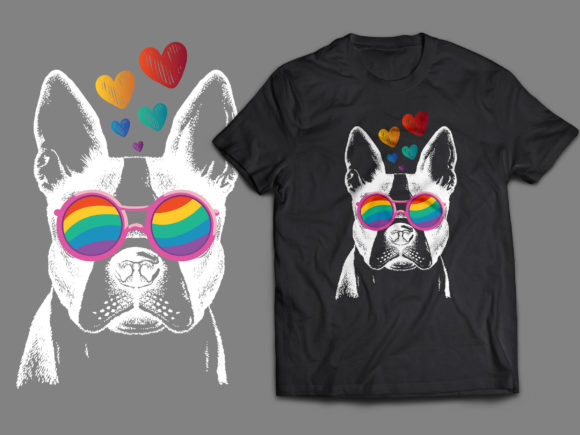
When I opened the Valentine Dog Tshirt Design, my first thought wasn’t “cute”—it was “usable.” That’s rare. So many dog-themed holiday designs lean into cluttered hearts, overwrought typography, or overly literal illustrations that buckle under thread tension. This one breathes. It features a gently stylized dog (think soft silhouette with subtle ear shape and a small heart tucked near the chest), clean negative space, and balanced proportions—no tiny floating elements, no fragile limbs begging to fray. It reads as warm, inclusive, and quietly confident—not saccharine, not ironic, just genuinely kind. That tone translates directly to how it behaves on fabric.
How It Stitches in Real Life: From Hoop to Handmade Product
I tested the Valentine Dog Tshirt Design on a midweight cotton sweatshirt, a linen tea towel, and a baby onesie—all common touchpoints for craft businesses and Etsy sellers. On the sweatshirt? Crisp satin stitch outlines held beautifully; the fill stitch stayed even without puffing or pulling. On the tea towel, the open areas let the fabric texture show through, giving the piece handmade authenticity—not sterile digitization. And on the onesie? It scaled down cleanly, keeping legibility without sacrificing charm. That versatility matters: whether you’re stitching a boutique tote bag design, an embroidered patch for a local pet shelter fundraiser, or personalized gifts for a Valentine’s Day pop-up, this design adapts without asking for heroics.
Where It Shines—and Where to Pause
This isn’t a one-size-fits-all embroidery file. Its strength lies in clarity and restraint—not complexity. So yes, it works beautifully on custom apparel like t-shirts, sweatshirts, and aprons. Yes, it holds up on curved surfaces like caps when hooped with light cutaway stabilizer. But here’s what I’d flag for fellow designers and small shop owners:
- Small hoop sizes: It fits comfortably in a 4x4 hoop—but avoid pushing into 3x3 unless you’ve verified the smallest details (like the heart outline) remain legible after stitching.
- Textured or stretchy fabric: On slubbed linen or lightweight jersey, use a medium-weight tear-away + light cutaway combo. The design doesn’t have dense fill zones, but its smooth curves rely on stability.
- Dark fabric: Test thread colors carefully. A single-tone version in white or blush pink reads well, but avoid pale yellow or mint on charcoal—they mute rather than lift.
- Frequent-wash items: Baby embroidery and kitchen towels are fair game, but skip heavy decorative accents (like French knots or layered applique) unless added by hand—the original Valentine Dog Tshirt Design is built for durability, not embellishment.
What It Does for Your Brand—and Your Buyers
As someone who’s reviewed hundreds of digital embroidery files for craft businesses, I can say this: the Valentine Dog Tshirt Design builds trust before the first stitch. Customers browsing your Etsy shop or boutique wall don’t see vector paths—they see warmth, intention, and polish. That impression lifts perceived value, especially for personalized gifts and holiday embroidery. When stitched on a pillow cover or nursery decor item, it feels considered—not generic. When used across a small shop product line (say, matching dog bandanas and mugs with coordinated mockups), it supports brand consistency without demanding rigid repetition. And because it avoids trend-chasing clichés—no glitter fonts, no forced puns—it stays relevant beyond February 14th.
Practical Notes Every Embroidery Designer Should Run Through
Before cutting fabric or listing your finished product:
- Test on scrap fabric first—especially if using textured, dark, or knit material. Watch how the satin stitch wraps corners and how fill density settles.
- Check thread color contrast in natural light *and* under store lighting. What pops on screen may disappear on oatmeal linen.
- Review stitch density visually in your embroidery software. Look for tight clusters that could cause puckering on lightweight baby embroidery.
- Confirm hoop size compatibility with your machine and intended garment type. Don’t assume a “standard” size fits your cap frame or baby onesie hoop.
- Inspect small details at 200% zoom: Is the heart shape distinct? Are edges smooth, not jagged? These define professionalism.
- Test black-and-white mockups—they reveal hierarchy and readability faster than color versions.
- Compare light vs. dark backgrounds in your printable mockup library. A design that sings on white may vanish on navy.
- Use proper stabilizer—this isn’t a design that forgives skipping it, especially on knits or toweling.
- Verify licensing before selling finished items or bundling the digital embroidery file. Since the description mentions “commercial use” context, confirm scope with the seller—especially for resale as part of a craft business kit or subscription box.
Final Thought: Not Just a Graphic—A Thoughtful Starting Point
The Valentine Dog Tshirt Design isn’t flashy. It won’t dominate a tradeshow booth with motion or metallic thread—but it will earn repeat orders from customers who recognize care in the curve of a paw line or the quiet balance of a heart placement. For embroidery designers building a library of reliable design assets, for Etsy sellers curating heartfelt holiday embroidery, and for small shop owners stitching meaningful connections—one dog, one heart, one well-executed stitch at a time—it lands exactly where it should: useful, sincere, and ready for real work.