Paw Dog
First Impressions: A Friendly and Approachable Design
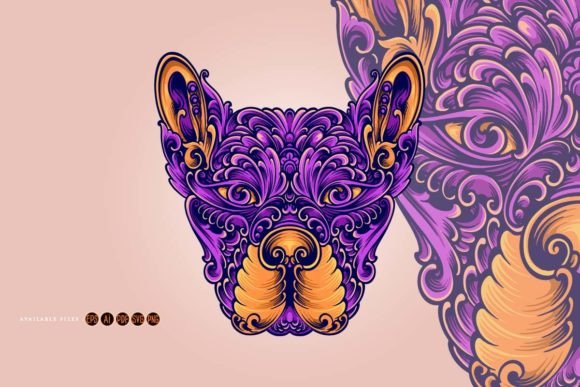
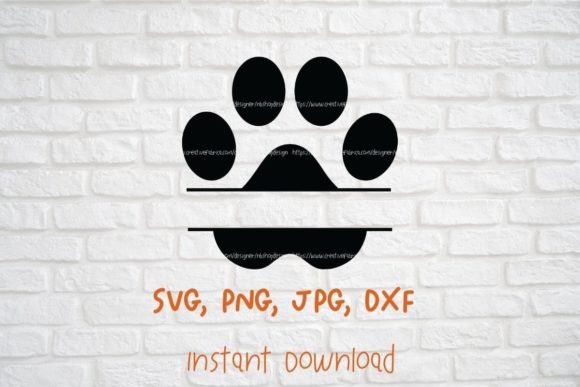
The moment I opened the Paw Dog design, I was struck by its warm and inviting vibe. The illustration of a playful dog with a distinct, cartoonish style immediately caught my eye. It’s not overly detailed, which is a good sign for versatility, but it still carries enough character to make it memorable. The color palette is soft and approachable—think pastels and muted tones that work well across a range of fabric types.
The layout is clean and balanced, with the dog positioned centrally, making it ideal for use on items like t-shirts, tote bags, or mugs. The design feels like something you’d see in a children’s book or a cozy home decor line. It’s not too whimsical, nor is it too serious—perfect for a wide audience.
Real-World Use Case: Custom Embroidered Tote Bag
To test the Paw Dog design, I imagined using it on a custom embroidered tote bag. This is a common project for small businesses and Etsy sellers looking to offer personalized gifts. The design fits nicely on the front panel, leaving room for text or another design if needed.
I considered how the dog would look after stitching. The lines are clear and the shapes are well-defined, which means it should translate well from digital file to finished product. However, I noticed that some of the smaller details, like the fur texture and facial features, might be lost when stitched at a lower density. This is a consideration for those using smaller hoop sizes or thinner fabrics.
Another thing to keep in mind is the contrast between the design and the fabric. While the design is subtle, it still holds up on most light-colored backgrounds. If used on dark fabric, the colors may appear less vibrant. A quick test on scrap fabric would help confirm this before committing to a larger project.
Design Performance Across Embroidery Projects
Paw Dog is versatile enough to work across multiple embroidery applications. For custom apparel, it could be used on t-shirts, sweatshirts, or even baby clothes. The design is simple enough for beginners but detailed enough to feel professional. It’s also suitable for holiday embroidery or personalized gifts, especially for pet lovers or those who enjoy cute, whimsical designs.
When considering commercial embroidery, the design’s simplicity makes it a good candidate for mass production. However, as with any design, it’s important to check the stitch density and ensure that the file is optimized for the intended use. High-resolution files are a plus, but always verify the file format and compatibility with your embroidery machine.
For craft business owners, Paw Dog could serve as a signature design for a brand focused on handmade products. Its friendly aesthetic aligns well with boutique branding and can be used on items like embroidered patches, aprons, and pillow covers. It also has potential for digital embroidery files and printable mockups, which are essential for showcasing products online.
Where to Be Careful: Fabric and Hoop Considerations
While Paw Dog is generally a good fit for most projects, there are a few scenarios where extra attention is needed. Small hoop sizes may struggle with the design’s detail level, especially in areas like the dog’s face or tail. If using a small hoop, consider scaling down the design or adjusting the stitch density to avoid overloading the machine.
Textured fabrics, such as denim or canvas, may affect how the design looks once stitched. The stitch density and thread colors play a significant role in ensuring clarity. Testing the design on a scrap piece of fabric with the same texture as the final product is a wise step before proceeding.
Dark fabrics can also pose a challenge. While the design works well on lighter backgrounds, it may lose some vibrancy on darker ones. Using a stabilizer and checking the design in black and white mockups can help identify potential issues early on.
Impact on Visual Appeal and Product Value
The visual appeal of Paw Dog is strong, but it’s not without limitations. As an illustration, it lacks the intricate detailing of more complex applique designs, but it makes up for it with its approachable charm. This makes it a great choice for handmade products and personalized gifts that prioritize friendliness over complexity.
From a customer perspective, the design has the potential to create a positive first impression. It’s easy to recognize and feels like something a customer would want to own. This can boost buyer engagement and brand consistency, especially for those selling on platforms like Etsy or through small shop merchandise.
However, it’s important to remember that the finished product is only as good as the design itself. Ensuring that the embroidery file is properly prepared and tested is crucial for maintaining quality and customer satisfaction.
Practical Designer Notes for Success
As an experienced designer, I recommend a few steps before using Paw Dog in a real project:
- Test on scrap fabric: Always do a trial run to ensure the design looks as expected.
- Check thread color contrast: Make sure the colors stand out against the chosen fabric.
- Review stitch density: Adjust as needed to prevent overcrowding or sparse stitching.
- Confirm hoop size: Ensure the design fits comfortably within the hoop without stretching.
- Inspect small details: Look for any elements that might be lost during stitching.
- Test in black and white: This helps identify any hidden issues with contrast or composition.
- Use proper stabilizer: Especially for delicate or stretchy fabrics.
- Check licensing: If planning to sell finished items, confirm the terms of use.
By following these steps, you can maximize the potential of Paw Dog and ensure that your embroidery project meets both artistic and practical standards.