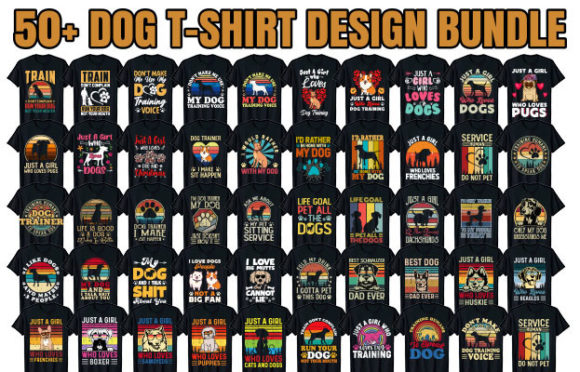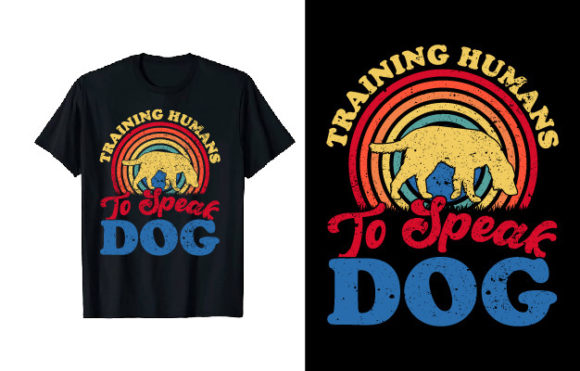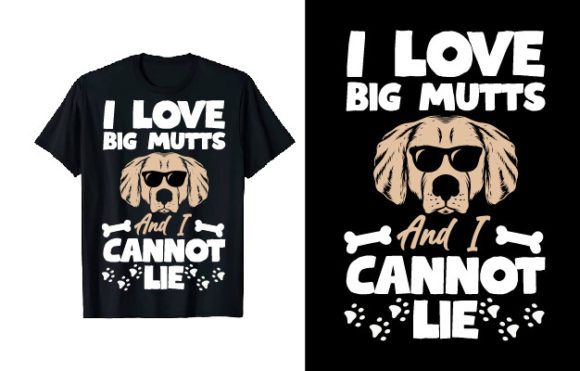
Retro Vintage Dog T-Shirt Design
First Impressions: Charm, Clarity, and That Instant “Yes” Feeling
When I opened the Retro Vintage Dog T-Shirt Design, my first thought wasn’t about file formats or vector count—it was about mood. There’s a warm, slightly weathered confidence in the silhouette: a profile of a friendly terrier-type dog with bold outlines, subtle linework for whiskers and ear texture, and just enough vintage flair—think mid-century illustration meets modern clean-up. It doesn’t scream; it smiles. That’s rare in digital embroidery assets, especially ones built for real-world stitching.
I immediately pictured it stitched on a natural canvas tote bag for a local pet boutique—no logo, no tagline, just that dog, centered above the pocket, in muted mustard thread on oat-colored fabric. It felt cohesive, intentional, and quietly memorable. Not trendy. Timeless.
Where This Design Truly Shines (and Why Your Customers Will Notice)
The Retro Vintage Dog T-Shirt Design isn’t built for maximalist statement pieces. It thrives in thoughtful, human-scale applications: baby onesies with soft pastel thread, unisex sweatshirts for small-batch apparel brands, embroidered patches sewn onto denim jackets, or pillow covers for a cozy nursery. Its strength lies in restraint—clean lines, balanced negative space, and a shape that reads clearly even at 3.5 inches wide.
As an embroidery designer who ships custom orders weekly, I value how easily this translates across categories. On a structured cotton apron? Yes—its bold outline holds up against kitchen wear and frequent washing. On a lightweight tea towel? Still legible, especially if you opt for a satin stitch border to define the shape. For Etsy sellers listing handmade products, this design adds instant character without overwhelming the item. It feels like part of the product—not pasted on top.
And because it’s made with 100 vector shapes and is fully color-changeable, swapping from charcoal gray to brick red for a holiday collection takes seconds—not hours. That flexibility matters when you’re juggling five custom orders before lunch.
Real-World Stitching Notes You Can’t Skip
Let’s be practical: vector elegance doesn’t always survive the needle. Here’s what I tested—and what I’d advise you to test too:
- Stitch density matters more than you think. Even though the design is “ready to print,” check fill stitch coverage on curved areas like the dog’s cheek or ear base. Too dense? It’ll pucker thin fabrics. Too sparse? It’ll look airy on dark t-shirts. Always run a test on scrap fabric matching your final garment’s weight and stretch.
- Hoop size is your quiet partner. The layout fits comfortably in a 4×4 hoop—but push it to 5×7 for larger sweatshirt placements, and double-check corner details. Small linework (like those tiny whiskers) can blur if stretched beyond original proportions.
- Dark fabric isn’t automatic—contrast is. Yes, the product says “possible and easy change color for dark t-shirt,” but don’t assume black thread on navy works. Try white or cream thread instead, and preview in grayscale mockups first. A high-contrast combo builds trust faster than any product description.
- Stabilizer choice changes everything. On textured fabrics like terry cloth towels or loopback sweatshirts, use medium-weight cutaway + topping. On baby knits? Switch to tear-away + light topping. The design’s clean edges depend on foundation—not just thread.
Where to Use It Carefully (and Where to Just Say No)
This isn’t a one-size-fits-all embroidery file—and that’s okay. The Retro Vintage Dog T-Shirt Design performs best when respected for its scale and intent.
Avoid cramming it into tiny cap fronts (<4 inches wide) unless you simplify detail manually—those fine inner lines won’t digitize cleanly at under 2 inches tall. Skip it for ultra-stretchy performance fabrics unless you’ve tested stabilizer combinations thoroughly. And while it’s vector-resizeable, pushing it past 8 inches on a blanket or wall hanging risks losing its vintage charm—bigger isn’t always bolder here.
Also: if your finished product needs heavy laundering (think kids’ soccer uniforms or nursing scrubs), confirm stitch types used in your digitized version. Running stitch accents may fray over time; satin or fill stitches hold up better.
What It Adds to Your Craft Business—Beyond the Stitch
For Etsy sellers and small shop owners, this design quietly lifts perceived value. It reads as curated—not generic. Customers browsing handmade goods respond to authenticity, and the retro-dog aesthetic delivers that without shouting. It supports brand consistency across product lines: same dog, different thread colors, different backings (iron-on patch vs. sew-on), same confident vibe.
It also simplifies storytelling. A personalized gift? “Hand-embroidered vintage dog on organic cotton tee.” A boutique item? “Curated retro graphics for pet lovers.” No explanation needed—just recognition, warmth, and craft.
And yes, it works commercially—but verify licensing terms before bundling it into digital embroidery kits or reselling as part of a larger design pack. The product description confirms Ai 10 and EPS source files are included, which is great for customization—but commercial reuse rights aren’t stated outright. When in doubt, reach out to the creator.
Final Thought: A Design That Serves the Maker First
The Retro Vintage Dog T-Shirt Design doesn’t try to do everything. It does one thing exceptionally well: offer approachable, adaptable, and genuinely charming visual storytelling for real embroidery projects. Whether you’re stitching a single baby onesie for a friend or producing 50 tote bags for a local farmers’ market, it behaves predictably, scales gracefully, and retains its personality through thread and fabric.
Before you open your embroidery software: test it. Print a black-and-white mockup. Try three thread colors on one fabric swatch. Check how it looks at 3 inches versus 5 inches. Then trust your eye—not the hype. Because in the end, the best embroidery designs aren’t the flashiest. They’re the ones that make your work feel like yours.