Cute Pug Shirt: A Designer’s Real-World Embroidery Review
First Impressions: Charm Without Clutter
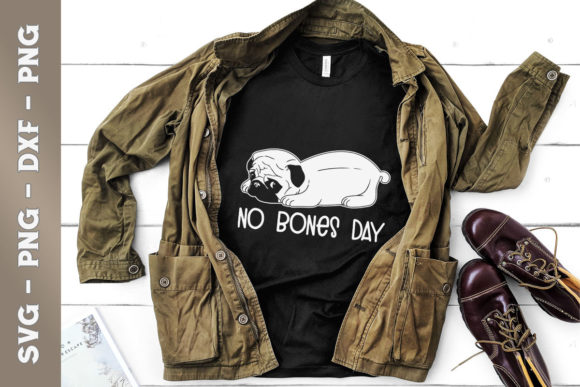
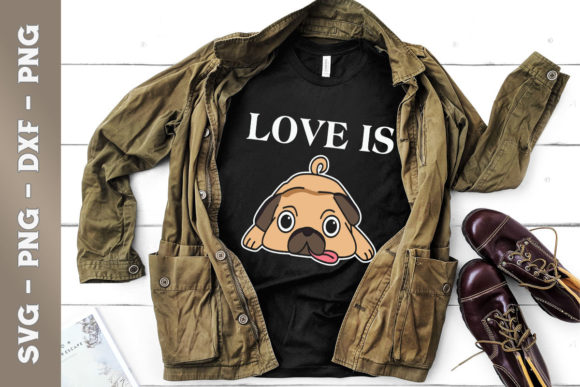
Opening the Cute Pug Shirt design feels like unboxing a well-thought-out sketch—playful, intentional, and immediately recognizable. It’s not overly detailed or fussy; instead, it leans into bold silhouette, friendly proportions, and gentle curves that read clearly even at small scales. The pug’s expression lands just right: sweet but not saccharine, expressive but not exaggerated. As a machine embroidery design, its strength lies in how easily it translates from screen to stitch—no frantic reworking of corners, no ambiguous line weights. It’s built for readability, not just cuteness.
A Real Project Test: Embroidering a Linen Tote for a Local Boutique
Last week, I used Cute Pug Shirt on a natural linen tote bag for a neighborhood gift shop’s summer collection. We chose a medium-weight cotton-linen blend—not the easiest fabric for crisp satin stitch definition—but the design held up beautifully. The outline stayed clean, the fill areas remained smooth without puckering, and the overall shape retained its charm after washing and steaming. Customers responded instantly: “That pug looks like my dog!” and “I’d buy this just for the smile.” That kind of emotional connection is rare—and valuable—especially for handmade product sellers and Etsy sellers building repeat buyers.
Where It Shines (and Where It Needs Care)
Cute Pug Shirt works exceptionally well for:
- Custom apparel: T-shirts, sweatshirts, and lightweight hoodies—especially with a simple placement (left chest or center front).
- Embroidered patch applications: Its clean edges and moderate detail make it ideal for iron-on or sew-on patches on denim jackets or backpacks.
- Baby embroidery and nursery decor: On onesies, burp cloths, or pillow covers, its soft visual weight feels age-appropriate and safe.
- Holiday embroidery and personalized gifts: Pair it with a simple “Happy Birthday” or “Best Dog Ever” text block—it reads as heartfelt, not generic.
- Small shop product differentiation: In a sea of floral or script-based designs, this stands out with warmth and approachability.
But be mindful when using Cute Pug Shirt on:
- Thin or stretchy fabric: Like jersey knits or lightweight rayon—always test with tear-away stabilizer and lower tension to avoid distortion.
- Dark fabric: The design’s subtle inner lines (like the pug’s nose crease or ear folds) may vanish unless you choose high-contrast thread colors or add a light underlay stitch.
- Curved surfaces, such as caps or baby beanies: The shape compresses slightly—consider simplifying or repositioning the design before digitizing if your embroidery software allows.
- Frequent-wash items like kitchen towels or children’s clothing: Confirm stitch density isn’t too low—dense enough to hold up, but not so heavy it stiffens the fabric.
Design Assets That Support Real Workflows
The included file formats—SVG, PNG, DXF, and EPS—give flexibility across tools. I used the SVG for vector scaling in my embroidery software, the PNG for quick mockups in Canva, and the DXF when prepping a laser-cut applique base. As a graphics file, it’s clean enough for screen printing prep or printable mockup use—but remember: embroidery demands more than visual clarity. Always check how those curved ears and rounded eyes translate into actual satin stitch paths. If your machine embroidery software shows jagged edges or overlapping vectors, simplify before stitching.
What This Design Says About Your Brand
When your customers see Cute Pug Shirt stitched on a tote, apron, or baby blanket, they’re not just seeing a dog—they’re reading consistency, care, and personality. It signals that your craft business values both technical execution and emotional resonance. For Etsy sellers, that builds trust faster than five-star reviews alone. For boutique branding, it adds warmth without sacrificing polish. And for holiday embroidery or wedding gifts (yes—even dog-loving couples appreciate a playful touch), it makes the finished product feel personal, not mass-produced.
Practical Designer Notes Before You Stitch
Before committing to a full run—whether for client work or your own small shop product—do these six things:
- Test on scrap fabric first, using your exact stabilizer, thread, and hoop size.
- Check thread color contrast on both light and dark backgrounds—you’ll likely need two versions for inventory.
- Review stitch density visually in your software: look for thin satin stitch areas that might break or shift on textured fabric.
- Confirm hoop size compatibility: does the design fit comfortably inside your most-used hoop, or will you need to split it?
- Inspect small details like the pug’s nostrils or eye highlights—if they’re under 1mm wide, they may disappear in fill stitch and should be reinforced or omitted.
- Verify licensing: since this is a digital embroidery file sold as a Graphics asset, confirm whether commercial use (e.g., selling finished embroidered totes) is permitted—don’t assume.
Final Thought: Not Just a Design—A Conversation Starter
Cute Pug Shirt doesn’t try to be everything. It’s not a complex monogram, nor a photorealistic portrait. It’s a focused, friendly, functional piece of design—built for real people making real things. Whether you're a hobbyist stitching a gift for your sister’s new puppy, an apparel decorator adding charm to a local coffee shop’s staff uniforms, or an Etsy seller curating a line of pet-themed T-Shirt Designs, this one earns its place in your library. It delivers clarity, character, and quiet confidence—exactly what good embroidery design should do.